Source primary air conditioner filter for HVAC, Auto, and Industrial Systems
Compare 30 primary air conditioner filter options from verified suppliers in Guangdong, China. Buyers can evaluate specifications like filtration grade, airflow, and pressure drop for HVAC, automotive, and industrial applications.
Key considerations
Products List


Comprehensive Sourcing Guide
Strategic Sourcing Guide for Primary Air Conditioner Filters
Understanding Product Categories and Technical Specifications
When sourcing primary air conditioner filters, buyers must first navigate the distinct technical categories available in the current market. The supply chain for these components is diverse, ranging from simple panel pre-filters to complex HEPA filtration units designed for specific environmental controls. Based on current market observations, the primary air conditioner filter landscape includes products identified as "Panel Pre Air Filter" and "V Bank Filter," alongside specialized units like the "Air Conditioning Refrigerant filter." These distinctions are critical because the performance metrics and material compositions vary significantly between a standard pre-filter and a high-efficiency unit.
The technical specifications for these filters are defined by a combination of physical dimensions, media composition, and filtration efficiency. For instance, a common configuration for panel pre-filters involves a frame constructed from Aluminum or Gi (Galvanized Iron) materials, with a standard size often observed around 252020CM or specific metric dimensions like 59559525mm. The media used in these units is typically Synthetic Fiber or Ultra-Thin Glass Fiber Filter Paper, which directly influences the filtration grade. In high-performance applications, the filtration grade may reach HEPA standards, boasting an efficiency rating between 90% and 99.995%.
Furthermore, the operational limits of these filters are strictly defined by their thermal and humidity resistance. Buyers should verify that the selected unit can withstand temperatures up to 100 degrees Celsius and humidity levels lower than 100% relative humidity. The initial pressure drop for these units is a crucial performance indicator, with many standard models maintaining an initial pressure drop of less than 160 PA, while the final resistance should ideally remain below 600 PA to ensure system longevity. The air flow capacity is another vital metric, often rated at 125% of the rated air flow to prevent system strain. Understanding these specific parameters ensures that the purchased filter aligns with the mechanical requirements of the target air conditioning system.
Compliance Standards and Certification Verification
In the B2B procurement of air conditioning components, verifying compliance with international and industry-specific standards is non-negotiable. While the market offers various filtration grades, the legitimacy of a product is often anchored in its certification status. Buyers should prioritize suppliers who can demonstrate adherence to recognized quality management systems. A prominent certification observed in the sector includes ISO9001 and TS16949, which indicate a supplier's commitment to consistent quality control and automotive-grade manufacturing standards.
Beyond general quality certifications, specific filtration standards provide a benchmark for performance. The EN 779 standard is frequently referenced in the industry as a guideline for testing the efficiency of air filters. However, buyers must exercise caution and verify the specific version or application of this standard, as newer classifications like EN 15805 may also be relevant for certain high-efficiency applications. It is essential to request test reports that explicitly reference these standards rather than accepting generic claims. The absence of specific test data or the inability to provide a valid certificate for a claimed standard should be treated as a red flag during the supplier evaluation process.
Additionally, the material composition of the filter must align with safety and environmental regulations. For example, the use of separators such as Hot Melt Glue and sealants like Foamed EVA or PU Two-Component Polyurethane Glue must be verified for toxicity and durability. These materials are integral to the structural integrity of the filter, particularly in V Bank Filters or Double Filter configurations. Buyers should ensure that the materials used do not off-gas harmful substances under high-temperature conditions, which could compromise the air quality the filter is designed to protect.
Cost Drivers and Pricing Structure Analysis
The pricing structure for primary air conditioner filters is influenced by a complex interplay of material costs, manufacturing complexity, and order volume. The observed market price range for these products is extensive, spanning from approximately 0.55 USD to 2800 USD. This wide variance is not arbitrary but reflects the difference between basic panel pre-filters and specialized, high-efficiency units with custom configurations. The lower end of the price spectrum typically corresponds to standard panel filters with basic synthetic fiber media and simple aluminum frames. In contrast, the higher price points are associated with units featuring HEPA filtration grades, custom dimensions, and advanced sealing technologies.
Order Volume is a primary driver of cost efficiency. The Minimum Order Quantity (MOQ) varies significantly across suppliers, ranging from a single piece to as high as 900 pieces. Suppliers offering an MOQ of 1 piece are often catering to prototyping or small-scale repair needs, which naturally carries a higher unit cost. Conversely, bulk orders of 50 pieces or more, which is a common threshold for many manufacturers, often unlock significant price reductions. Buyers must balance their immediate inventory needs against the long-term cost benefits of bulk purchasing.
Customization is another critical factor affecting the final price. Products labeled as "Customization: Available" allow for tailored dimensions, media types, and frame materials. While this flexibility is invaluable for specialized applications, it introduces additional costs related to tooling and production setup. The "Universal" car model designation found in some listings suggests a standardized product that may be more cost-effective than fully custom-engineered units. However, even universal products may require specific modifications to fit unique HVAC systems, which can alter the final cost. Buyers should clearly define their requirements to avoid paying for unnecessary customizations or, conversely, under-specifying and incurring replacement costs later.
Typical Applications and System Compatibility
Primary air conditioner filters serve a variety of applications, from residential HVAC systems to industrial ventilation and automotive air conditioning. The "Universal" designation observed in product listings suggests that many filters are designed to fit a broad range of systems, making them suitable for general replacement and repair purposes. However, the specific application dictates the required filtration grade and physical dimensions. For instance, a "Panel Pre Air Filter" is typically used in the initial stage of air purification to capture larger particulates, protecting downstream components like the compressor or heat exchanger.
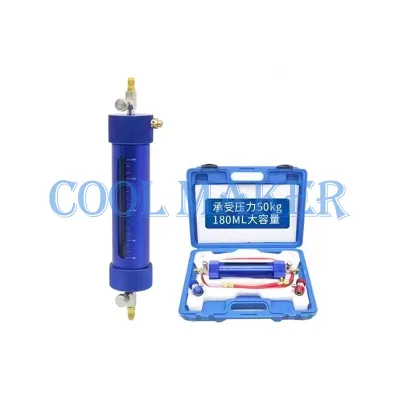
In more demanding environments, such as cleanrooms or medical facilities, the "V Bank Filter" or "Double Filter" configurations become essential. These units are designed to handle higher air volumes and provide superior filtration efficiency, often utilizing a V-bank structure to maximize surface area. The "Air Conditioning Refrigerant filter" represents a specialized application, focusing on the purification of refrigerant oil and the removal of contaminants from the refrigerant cycle. This specific type of filter is critical for maintaining the efficiency and longevity of the compressor, which is often listed as the product type in related listings.
Compatibility with the existing system is paramount. Buyers must verify that the filter's dimensions, such as the 592592295mm standard or other custom requirements, match the housing of their air conditioning unit. The "Filter Connector" type, whether flat or otherwise, must also align with the system's ductwork to ensure an airtight seal. Furthermore, the "Activated Carbon Filter Type," such as the Bulk Type, is essential for applications requiring the removal of odors and volatile organic compounds (VOCs). Understanding the specific role of the filter within the system allows buyers to select the correct product for their intended application, whether it is for general air cleaning, refrigerant purification, or high-efficiency particulate removal.
Supplier Evaluation and Quality Assurance Protocols
Evaluating a supplier for primary air conditioner filters requires a rigorous assessment of their manufacturing capabilities, quality control processes, and logistical reliability. The origin of the product is a significant indicator of supply chain stability. Many products in this category originate from manufacturing hubs in Guangdong, China, with specific cities like Foshan City being noted as production centers. Buyers should verify the "Place of Origin" and ensure that the supplier has a proven track record in this region.
Quality assurance is another critical pillar of supplier evaluation. A robust supplier will offer a "Quality Guarantee," with terms such as a 3-month warranty being a common baseline. This guarantee serves as a commitment to the product's durability and performance. Additionally, the condition of the product must be verified as "New," ensuring that buyers receive fresh inventory without prior usage or degradation. The "Product Packing" method, typically Carton Packing, should be inspected to ensure that the filters are protected during transit to prevent damage to the delicate filter media or frame.
Suppliers should also demonstrate flexibility in their production capabilities. The availability of "Customization" options indicates a supplier's ability to adapt to specific buyer needs. However, buyers must ensure that customization does not compromise the structural integrity or filtration efficiency of the unit. The use of specific materials, such as "Ultra-Thin Glass Fiber Filter Paper" and "Hot Melt Glue," should be consistent with the supplier's standard operating procedures. Requesting samples and conducting independent testing on the received units is a recommended step to validate the supplier's claims regarding filtration efficiency, pressure drop, and temperature resistance before committing to a large-scale order.
Long-Term Procurement and Lifecycle Management
Sourcing primary air conditioner filters is not merely a transactional activity but a strategic decision that impacts the long-term efficiency and maintenance costs of air conditioning systems. Buyers should consider the lifecycle of the filter, including its service life and replacement frequency. The "Final Resistance" and "Initial Pressure Drop" values are key indicators of how the filter will perform over time. A filter that maintains a low pressure drop for an extended period will reduce the energy consumption of the fan and compressor, leading to significant cost savings over the life of the system.
The "Condition" of the filter upon delivery is just the starting point. Buyers must establish a maintenance schedule that aligns with the manufacturer's recommendations for replacement. The "Warranty" terms provided by the supplier can offer a safety net, but proactive management is essential to prevent system failures. Regular inspection of the filter for signs of clogging or damage is necessary to ensure optimal performance. Additionally, the "Humidity" and "Temperature" resistance of the filter must be considered in the context of the operating environment. Filters operating in high-humidity or high-temperature conditions may require more frequent replacement or a different material composition to maintain their structural integrity.
Finally, buyers should build a relationship with suppliers that offers long-term support and consistency. The ability to source replacement filters with the same specifications and quality standards is crucial for maintaining system performance. The "Product Type" and "Reference Number" should be documented carefully to ensure that future orders match the original specifications. By focusing on long-term procurement strategies, buyers can minimize downtime, reduce energy costs, and ensure the reliable operation of their air conditioning systems. The integration of these considerations into the sourcing process will lead to a more resilient and cost-effective supply chain for primary air conditioner filters.
FAQs
What certifications do primary air conditioner filters typically have?
Primary air conditioner filters often carry ISO9001 and TS16949 certifications. These standards indicate adherence to quality management systems and automotive-grade manufacturing processes, ensuring consistent product reliability for buyers.
How does the filtration efficiency vary among different filter types?
Filtration efficiency ranges from standard pre-filter levels to HEPA standards achieving 90% to 99.995%. High-efficiency units like V Bank Filters utilize Ultra-Thin Glass Fiber Filter Paper to capture smaller particulates effectively.
Which materials are commonly used for the filter frame and media?
Frames are typically constructed from Aluminum or Galvanized Iron materials. The media consists of Synthetic Fiber or Ultra-Thin Glass Fiber Filter Paper, designed to withstand specific temperature and humidity conditions.
Can buyers request custom dimensions for these air conditioner filters?
Yes, customization is available for specific dimensions and configurations. Buyers can request tailored sizes like 595*595*25mm or 592*592*295mm to ensure compatibility with their existing HVAC system housings.
What is the typical price range for primary air conditioner filters?
The observed price range spans from 0.55 USD to 2800 USD depending on specifications. Basic panel pre-filters are at the lower end, while specialized HEPA units with custom features command higher prices.
How does the Minimum Order Quantity affect the purchasing process?
Minimum Order Quantities vary from 1 piece to 900 pieces across different suppliers. Lower MOQs suit prototyping needs, while bulk orders of 50 pieces or more often unlock better pricing and cost efficiency.
What are the operational temperature and humidity limits for these filters?
Filters generally withstand temperatures up to 100 degrees Celsius and humidity lower than 100% relative humidity. These limits ensure structural integrity and performance stability in various environmental conditions.